
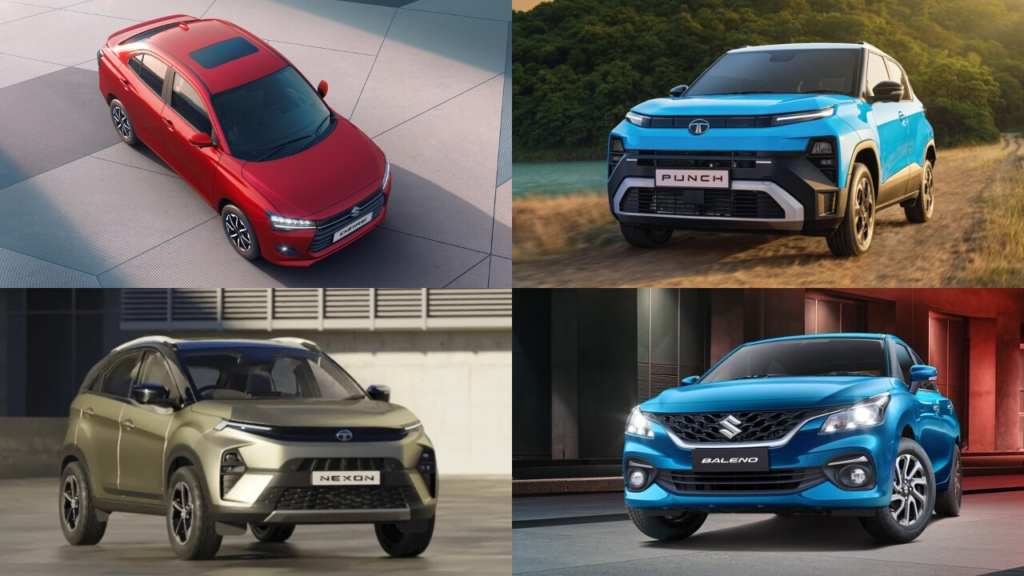
Buying a car used to be a fairly simple decision. You picked a model you liked, compared the price, checked the mileage, and went for a test drive. Today, there is a lot more to think about.Petrol, diesel, hybrid, electric, automatic, manual, connected cars, advanced safety systems, driver-assistance features, touchscreen dashboards—the modern automobile has become a combination of transportation, technology, comfort, and lifestyle.
That doesn’t necessarily make choosing a car harder. It just means you need to know what actually matters before spending your money.This automobile guide brings together the key things worth understanding when exploring today’s cars. From the latest automotive trends and important features to fuel choices, safety, maintenance, and practical buying tips, here’s how to approach your next car decision with a little more confidence.
The Automobile World Is Changing

The automobile industry is going through one of its biggest transformations in decades.
Traditional petrol and diesel vehicles remain important, but electric vehicles and hybrids are becoming increasingly visible in the market. At the same time, manufacturers are putting more technology inside cars than ever before.
A modern car can offer smartphone connectivity, digital displays, connected services, multiple cameras, advanced driver-assistance systems, wireless charging, voice controls, and sophisticated safety technology.
But here’s the important part: more features don’t automatically mean a better car for you.
The right vehicle is the one that fits your budget, driving habits, passengers, roads, parking situation, and long-term expectations.
Latest Automobile Trends to Watch
Electric Vehicles Are Becoming More Mainstream
Electric vehicles, commonly known as EVs, have moved beyond being a niche choice.
Their appeal comes from quiet operation, instant torque, fewer traditional engine components, and the potential for lower running and maintenance costs.
However, an EV makes the most sense when your charging situation works for you. If you have convenient home or workplace charging, ownership can be very different from relying entirely on public charging stations.
Before buying an EV, think about your typical daily distance, charging access, battery warranty, charging speed, and the availability of charging infrastructure along routes you regularly travel.
Hybrid Cars Offer Another Option
Hybrid vehicles combine an internal-combustion engine with electric assistance. Depending on the type of hybrid, the electric system can help improve efficiency or allow the vehicle to operate electrically under certain conditions.
For drivers who want better efficiency without completely changing their refueling habits, hybrids can be an interesting middle ground.
The important thing is to understand the specific hybrid system rather than assuming every hybrid works in exactly the same way.
Cars Are Becoming More Connected
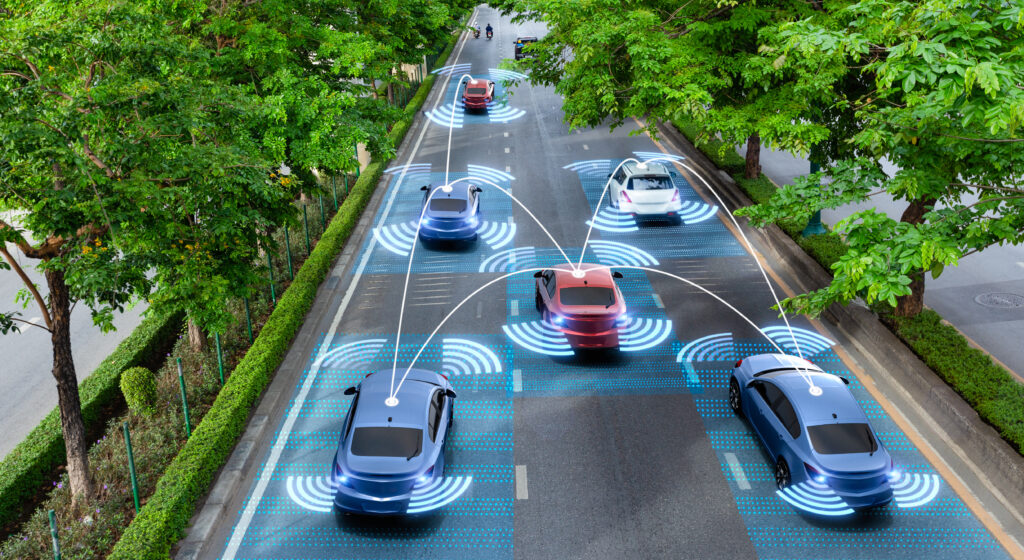
Connectivity is now a major part of the automobile experience.
Many newer vehicles can connect with smartphones and offer features such as navigation, music, remote vehicle information, emergency services, vehicle status updates, and other connected functions.
Some models also receive software updates that can improve or modify certain vehicle functions.
Before getting excited about connected features, check whether the services require subscriptions and whether all functions work with your phone and region.
Safety Technology Is Getting Smarter
Safety has moved far beyond airbags and seat belts.
Modern cars may include features such as automatic emergency braking, lane-departure warnings, blind-spot monitoring, adaptive cruise control, parking sensors, cameras, and other driver-assistance technologies.
These systems can provide useful assistance, but they don’t replace attentive driving.
Always understand what a particular safety feature actually does. Marketing names can sometimes make systems sound more capable than they really are.
Choosing Between Petrol, Diesel, Hybrid and Electric
There is no single fuel type that works perfectly for every driver.
Petrol Cars
Petrol vehicles remain a familiar choice for many drivers.
They can be practical for people who want straightforward refueling, a wide selection of models, and a vehicle that fits mixed city and highway driving.
Diesel Cars
Diesel engines can be useful for drivers who regularly cover long distances and value strong low-end torque and highway efficiency.
However, modern diesel vehicles use more complex emissions-control systems, so maintenance requirements and local regulations should be considered before buying.
Hybrid Cars
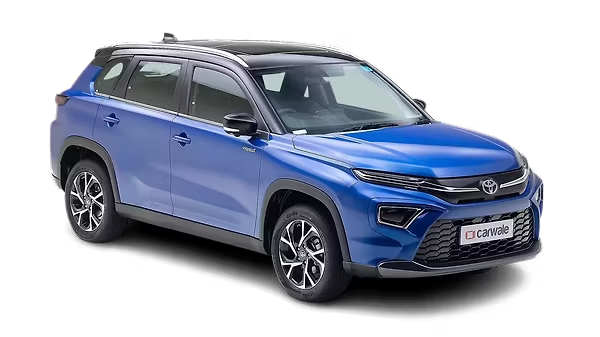

Hybrids can make sense for drivers who want improved efficiency while retaining conventional refueling.
They are particularly interesting for people whose driving includes a lot of stop-and-go traffic, depending on the hybrid technology used.
Electric Cars
EVs can be appealing if you have reliable access to charging and a driving pattern that suits the vehicle’s range.
Instead of focusing only on the claimed range figure, consider real-world usage, weather, traffic, driving speed, charging availability, and how frequently you travel long distances.
What Features Actually Matter?
Car manufacturers can pack an impressive list of features into a brochure. But not every feature deserves equal attention.
Safety Features
Safety should be near the top of your checklist.
Look for appropriate airbags, electronic stability systems, braking assistance, strong crash-test performance where available, parking assistance, and useful driver-assistance technologies.
Comfort
Consider the seats, cabin space, climate control, visibility, suspension comfort, noise levels, and ease of getting in and out.
A feature may look impressive on paper, but a comfortable seat can matter far more during a two-hour drive.
Infotainment
A large touchscreen looks attractive, but usability matters more.
Check whether the system responds quickly, whether the menus are easy to understand, and whether smartphone integration works reliably.
Storage and Practicality
Think about your real life.
Will the boot hold your luggage? Can the rear seats accommodate the people who regularly travel with you? Are there enough storage spaces for everyday items?
These small details become important once the excitement of buying a new car wears off.
How to Choose the Right Car for Your Lifestyle
Start with your daily routine.
If you mostly drive through crowded city streets, a compact car may be easier to park and maneuver.
If you regularly travel with family, rear-seat comfort and luggage space may become more important.
If you spend hours on highways, consider ride comfort, seating support, stability, visibility, and highway efficiency.
If you rarely drive and mostly use your vehicle for occasional trips, paying extra for features you won’t use may not make much sense.
Your lifestyle should drive the shortlist—not the other way around.
Take a Proper Test Drive
A test drive should be more than driving around the dealership for five minutes.
Try to experience the car in different situations if possible.
Pay attention to:
- Driving position
- Seat comfort
- Steering weight
- Brake response
- Visibility
- Ride quality
- Cabin noise
- Gearbox behavior
- Acceleration
- Rear-seat comfort
- Parking visibility
- Infotainment usability
Don’t hesitate to sit in the back seat, especially if family members will regularly use it.
A vehicle can look perfect in photos and still feel completely different when you’re sitting behind the wheel.
Automobile Technology: What’s Worth Understanding?
Technology can make driving easier, but understanding it matters.
Driver-Assistance Systems
Features such as adaptive cruise control and lane assistance can reduce driver workload on suitable roads.
However, these technologies have limitations and require the driver to remain responsible and attentive.
Parking Technology
Reverse cameras, parking sensors, 360-degree cameras, and automated parking systems can make tight spaces easier to handle.
For city drivers, these features can be surprisingly useful.
Digital Instrument Displays
Digital dashboards can provide navigation, driving information, efficiency data, and safety alerts.
The best system is not necessarily the one with the most graphics. It is the one you can understand quickly without becoming distracted.
Smartphone Integration
Reliable phone integration can be more useful than an enormous built-in app ecosystem.
Before buying, check compatibility with your smartphone and whether the connection works the way you expect.
Car Maintenance Basics

Smartphone Integration
Reliable phone integration can be more useful than an enormous built-in app ecosystem.
Before buying, check compatibility with your smartphone and whether the connection works the way you expect.
Even the best vehicle needs regular care.Follow the manufacturer’s recommended maintenance schedule and don’t ignore warning lights.
Basic checks include:
- Tyre pressure
- Engine oil where applicable
- Coolant
- Brake condition
- Battery condition
- Lights
- Wipers
- Windshield washer fluid
- Air filters
- Tyre tread
For EVs, traditional engine-oil maintenance isn’t required, but tyres, brakes, suspension, cooling systems, software, and other components still require attention.
Regular maintenance is usually easier and cheaper than waiting for a small issue to become a major repair.
How to Compare Two Cars Properly
Instead of asking which car is simply “better,” create a comparison based on your own requirements.
Compare:
Price: What will you actually pay?
Running cost: How much could fuel or charging cost?
Safety: What safety equipment and crash-test information are available?
Space: Will passengers and luggage fit comfortably?
Performance: Does it have enough power for your normal driving?
Comfort: How does it feel on your usual roads?
Features: Which features will you genuinely use?
Maintenance: What are the expected servicing requirements?
Warranty: What coverage is included?
Resale: What does the local used-car market look like?
This approach makes the decision much more practical than simply comparing specifications on a screen.
The Future of Automobiles
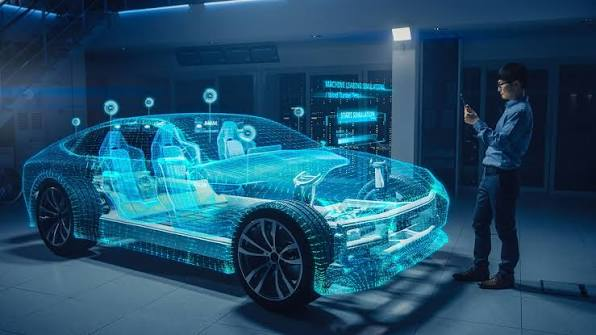
The automobile industry is moving toward vehicles that are more connected, electrified, software-driven, and equipped with advanced safety technologies.
But the future isn’t only about adding more technology.
Efficiency, safety, reliability, affordability, better batteries, improved charging infrastructure, and smarter vehicle systems will all influence how people use cars.
At the same time, traditional vehicles aren’t disappearing overnight. Different technologies will continue to suit different drivers and markets.
FAQ’S
1. What should I consider before buying a car?
Consider your budget, driving needs, fuel type, safety features, comfort, maintenance costs, reliability, and expected resale value.
2. Which is better: petrol, diesel, hybrid, or electric?
There is no single option for everyone. The right choice depends on your daily distance, driving conditions, fuel costs, charging access, and long-term ownership plans.
3. Are electric cars good for everyday use?
Electric cars can be practical for everyday driving, especially when convenient home or workplace charging is available. Consider range and charging needs before buying.
4. What are the most important car safety features?
Important features can include airbags, electronic stability control, strong braking systems, parking assistance, cameras, and available driver-assistance technologies.
5. How important is a car’s mileage or efficiency?
Efficiency can have a major effect on long-term running costs. However, real-world fuel or energy consumption varies with traffic, driving style, weather, road conditions, and vehicle load.